
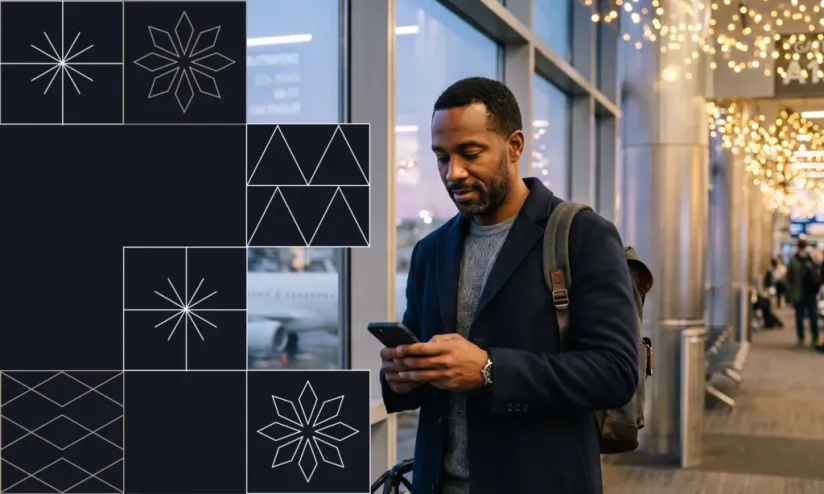
When travelling, you may need to scan or upload your passport at the airport, when checking in to hotels, or for concierge services. Scammers may intercept those scans, use a device to scan your passport while you are in a queue, or pose as legitimate services requesting your passport. The information is then used for identity fraud and other common holiday scams.
BlackCloak analysts regularly see listings within online criminal marketplaces offering scans of passports, boarding passes, and hotel check-in documents for as little as $10.
Warning signs
- A service provider requests your passport scan for a non-essential reason (such as a gift redemption or loyalty program login)
- When waiting in line for check-in or immigration, you notice people standing too close to you or lingering needlessly
How to stay safe
- Only submit passport or ID scans to trusted, verified services (hotel chain websites, known airlines)
- Confirm via direct known contact (phone number from your records) if you’re unsure
- Where possible, redact unnecessary pages (don’t upload full passport with blank pages you don’t need to)
- Keep physical passport secure and avoid photocopying or scanning unless essential
- Use an RFID passport holder for an extra layer of protection against electronic theft
Need help? Discover how BlackCloak protects your personal information from cybercriminals.

